What to Expect During a Professional Wildlife Removal Visit
People seeking wildlife removal typically want safe, humane exclusion of pests, and local service providers can handle the process professionally and effectively.
If you're curious about what to expect during a professional wildlife removal visit, you're in the right place. Property owners in the area often seek these services to address issues with unwanted animals that may have taken up residence in attics, crawl spaces, or other hidden areas. Understanding the typical process can help ease any concerns and prepare you for a smooth experience. Local contractors who specialize in wildlife removal are experienced in handling these situations efficiently, ensuring that animals are safely and humanely removed and that your property is checked for potential entry points.
Keep reading to learn more about the steps involved in a wildlife removal visit and how local service providers approach this work. Their goal is to resolve the problem effectively while minimizing disruption to your home. Knowing what to expect can help you feel more confident about the process and understand the importance of professional assistance in dealing with wildlife intrusions. Whether it’s identifying signs of animal activity or sealing entry points, these local experts are equipped to handle the job with care and expertise.
- Wildlife exclusion - when animals have gained access to a property and need to be safely removed and kept out, local contractors implement exclusion methods to prevent re-entry.
- Infestation cleanup - after wildlife removal, professionals often handle cleanup of droppings and nesting materials to restore safety and hygiene.
- Damage repair - if wildlife has caused structural damage, local service providers can assess and repair entry points or compromised areas.
- Habitat modification - to discourage future wildlife visits, pros may recommend adjustments to the property's landscape or building features.
- Preventative consultation - during a visit, experts typically provide advice on ongoing measures to prevent wildlife from returning to the property.
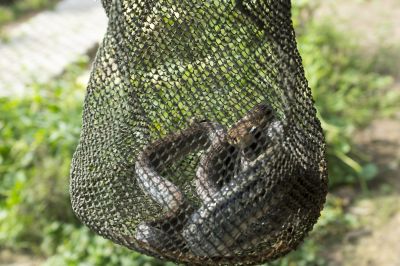
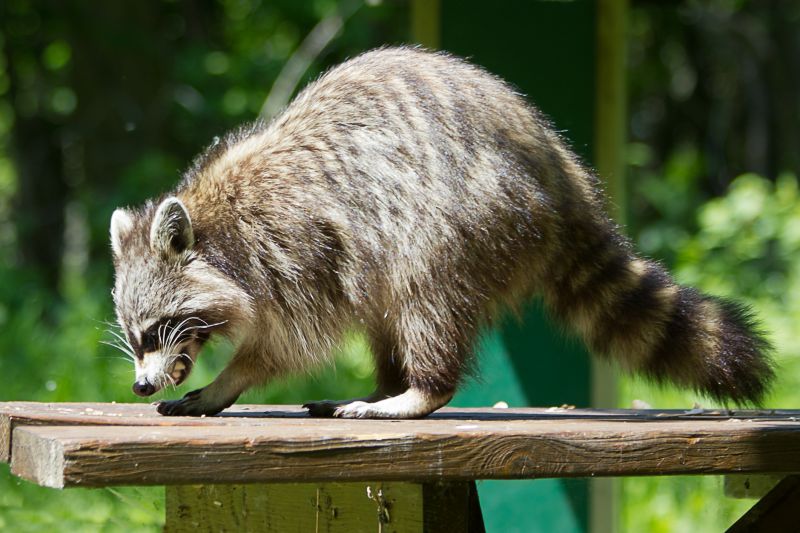
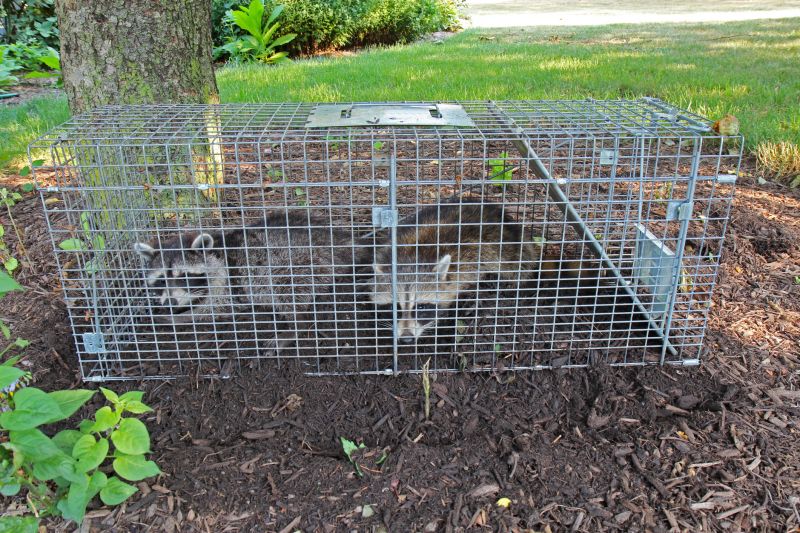
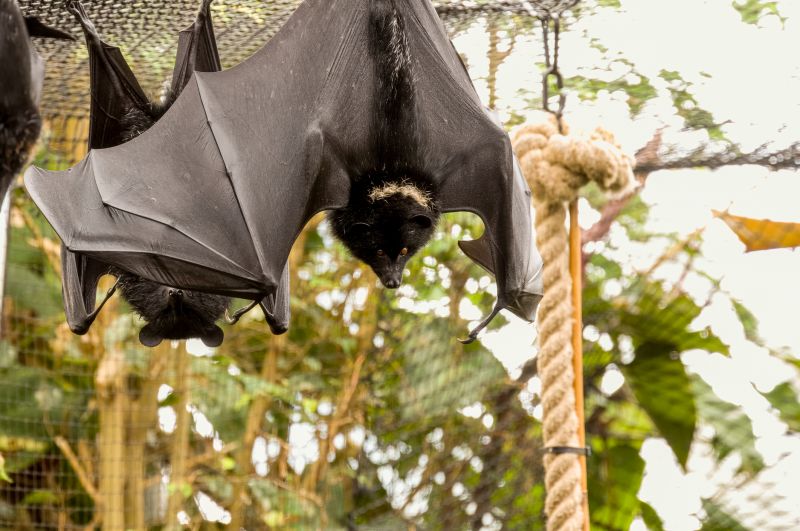
When searching for information about what to expect during a professional wildlife removal visit, homeowners are often interested in understanding how the process unfolds and what steps are involved. Typically, this topic relates to situations where wildlife such as raccoons, squirrels, bats, or birds have entered or taken residence in a property. People usually seek guidance to prepare for the visit, learn about the procedures used to safely and humanely remove animals, and understand how the process addresses the root cause of the problem. Knowing what happens during a wildlife removal service helps homeowners feel more informed and confident about the steps needed to resolve their wildlife issues effectively.
Wildlife removal visits are generally associated with problems that involve animals invading or nesting within residential or commercial properties. These issues can include animals gaining access through damaged vents, gaps in the roofline, or broken soffits, and then establishing nests or roosts. Homeowners may also be planning preventative measures to avoid future invasions or addressing damage caused by wildlife activity. Local contractors who specialize in wildlife removal typically tailor their approach based on the specific species involved and the extent of the intrusion. Understanding what to expect during a professional visit helps property owners coordinate their expectations and prepare their space for the removal process.
The types of properties that commonly come up during wildlife removal visits include single-family homes, multi-unit residential buildings, and commercial structures like warehouses or retail outlets. Homes with attics, chimneys, or crawl spaces are particularly vulnerable to animal entry, especially if there are structural vulnerabilities. Commercial properties with large storage areas or ventilation systems can also attract wildlife seeking shelter or nesting spots. These property types often require tailored strategies that address their unique features, such as sealing entry points or installing deterrents. Recognizing the kinds of properties involved helps homeowners understand how local service providers evaluate and plan their removal efforts.
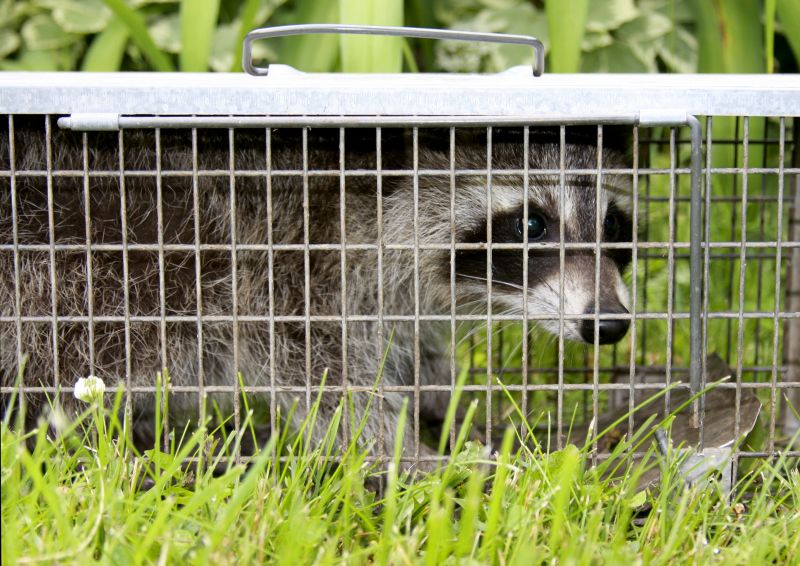
During a typical wildlife removal visit, homeowners can expect a thorough inspection of the property to identify animal entry points and signs of activity. The process often begins with a visual assessment, sometimes supplemented by specialized tools, to locate nests, droppings, or damage. The wildlife removal professional then develops a plan to humanely capture and remove the animals, which may involve traps, exclusion devices, or one-way doors that allow animals to exit but prevent re-entry. After the animals are removed, the service provider usually performs a cleanup and seals off entry points to prevent future invasions. Knowing what to expect during this visit helps property owners understand the steps involved and how local contractors work to restore safety and prevent recurrence.
Attic and crawl space inspections - local contractors often perform detailed inspections of attics and crawl spaces to identify wildlife entry points and nesting sites, a key step in the removal process.
Exclusion and sealing projects - professionals use specialized tools and planning to effectively seal entry points and prevent future wildlife intrusions, aligning with the planning involved in wildlife removal visits.
Animal trapping services - trapping is a common skill used by local service providers to safely capture and remove wildlife from residential or commercial properties.
Habitat modification tasks - local contractors often perform habitat modifications, such as removing debris or altering landscaping, to make properties less attractive to wildlife.
Damage repair and restoration - after wildlife removal, pros may handle repairs to damaged structures, requiring similar planning and tools used during the removal visit.
Bird control and deterrent installation - installing deterrents or bird exclusion devices is related to wildlife removal efforts and requires similar planning and equipment.
When comparing wildlife removal service providers, it is important to consider their experience with similar projects. Homeowners should inquire about the types of wildlife the contractors have handled and how many times they have performed comparable removals. A contractor with a proven track record in addressing the specific species or issues present can be more likely to deliver effective results. Additionally, reviewing clear, written expectations can help ensure that both parties understand the scope of work, procedures, and any follow-up measures involved in the wildlife removal process. Having detailed documentation can prevent misunderstandings and provide peace of mind throughout the service.
Reputable references are a valuable resource when evaluating local contractors. Asking for referrals or reviews from previous clients can offer insight into the quality of work, professionalism, and reliability of the service provider. Homeowners should look for feedback on how well the contractor communicated during the process, whether the project was completed as expected, and if any issues were addressed promptly. Reliable references can also indicate the contractor’s ability to handle unexpected situations or challenges that may arise during wildlife removal visits.
Good communication is essential when working with local service providers for wildlife removal. Homeowners should seek contractors who are transparent about their procedures, willing to answer questions, and able to clearly explain what to expect during a wildlife removal visit. Effective communication helps establish trust and ensures that homeowners are informed about the steps involved, potential disruptions, and any necessary follow-up actions. Choosing a provider who prioritizes clear, ongoing dialogue can make the entire process smoother and more predictable, ultimately leading to a more satisfactory experience.
Property owners often search for what to expect during a professional wildlife removal visit when they are planning practical projects around their homes and businesses. Local pros provide Wildlife Removal services for everyday jobs and straightforward project options.
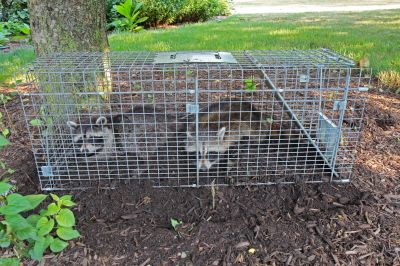
During a professional wildlife removal visit, property owners can typically expect a thorough assessment of the affected areas. Service providers will inspect the property to identify signs of wildlife activity, such as droppings, nests, or damage. They may also check entry points that animals could use to access the structure, ensuring a comprehensive understanding of the situation. This initial step helps determine the best approach for removal and exclusion, providing property owners with clarity about what the process will involve.
In addition to inspection, local contractors often implement humane removal methods tailored to the specific wildlife involved. This might include setting traps or sealing entry points to prevent future intrusions. Throughout the visit, property owners can expect professionals to explain their approach and answer questions about the process. The goal of these visits is to address wildlife issues efficiently while minimizing disruption to the property, helping owners restore safety and peace of mind.
What should I expect during a professional wildlife removal visit? During a wildlife removal visit, local contractors typically assess the affected areas, identify entry points, and determine the best removal methods for the specific wildlife involved.
Will the wildlife removal technician inspect my property? Yes, the technician will thoroughly examine your property to locate signs of wildlife activity, entry points, and potential nesting sites as part of the removal process.
What kind of equipment or tools do wildlife removal professionals use? Local service providers often use specialized tools such as traps, protective gear, and sealing materials to safely and effectively remove wildlife and prevent future entry.
Is the removal process disruptive to my home or property? The process is generally designed to minimize disruption, with most technicians working efficiently to remove wildlife and secure entry points without causing significant inconvenience.
What happens after the wildlife is removed? After removal, local pros may assist with sealing entry points, cleaning affected areas, and offering advice on preventing future wildlife issues.
Inspection process - property owners can expect wildlife removal professionals to thoroughly evaluate the property to identify entry points and signs of infestation.
Explanation of methods - local contractors will describe the removal techniques and exclusion strategies they plan to use during the visit.
Safety considerations - professionals will highlight safety steps to protect both residents and wildlife during the removal process.
Post-removal guidance - experts may offer advice on how to prevent future wildlife issues and maintain property integrity after the visit.
If you are thinking about what to expect during a professional wildlife removal visit for a property, this guide is meant to help you understand this topic, the typical project types, and how different options might fit your plans.
When you are ready, you can use the quote form on this page to share a few details about your project. From there, local pros can review the basics and follow up with options that match what you have in mind.