Signs Your Commercial Property Has a Small Animal Issue
If you notice signs your commercial property has a small animal issue, local service providers can help identify and safely remove the pests to protect your space.
If you own or manage a commercial property, noticing unusual signs can be a cause for concern. Small animals like rodents, squirrels, or raccoons can sometimes find their way into buildings, causing damage and creating health risks. Recognizing the early indicators-such as strange noises, droppings, or unexplained odors-can help property owners address potential issues before they escalate. Staying alert to these signs is essential for maintaining a safe and secure environment for employees and visitors alike.
Understanding when your property might be dealing with a small animal issue is a practical step for any business or property manager. Local service providers specializing in small animal removal are equipped to handle these situations effectively, helping to restore safety and prevent further damage. Exploring these signs and knowing where to turn can make a significant difference in managing small animal concerns efficiently, ensuring the property remains a safe and welcoming space.
- Small animal trapping - when signs like droppings or gnaw marks are found inside a commercial property, local contractors can set humane traps to remove the pests safely.
- Exclusion services - evidence of small animals in walls or attics prompts service providers to seal entry points and prevent future intrusion.
- Damage repair - if small animals have caused structural damage or chewed wiring, local pros can restore and reinforce affected areas.
- Odor removal - persistent smells indicating animal presence are addressed by specialists who use targeted cleaning and deodorization methods.
- Inspection and assessment - ongoing signs like scratching sounds or nesting materials lead service providers to conduct thorough inspections to identify and resolve issues.
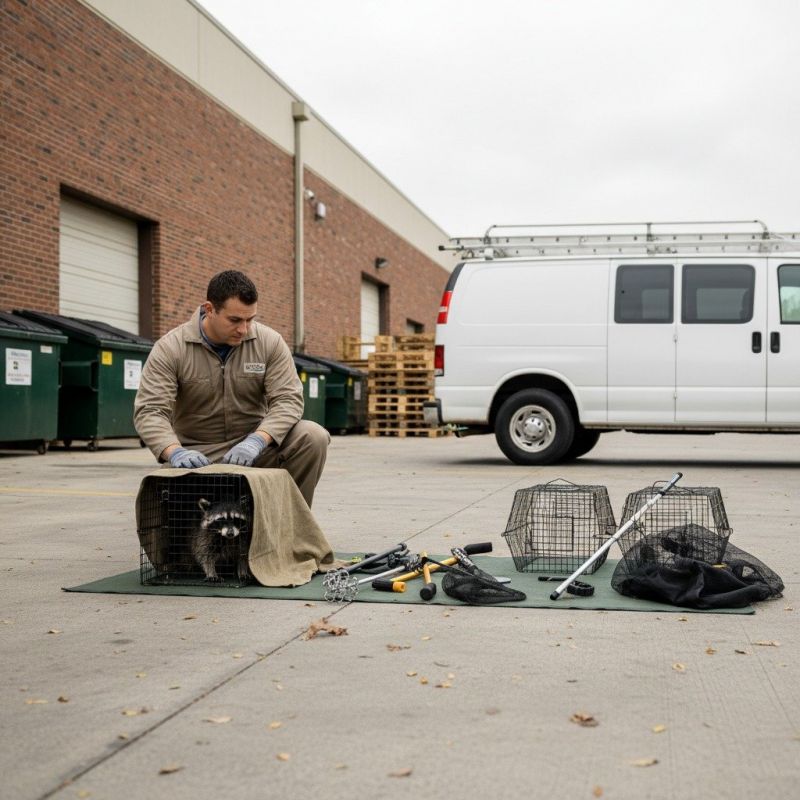
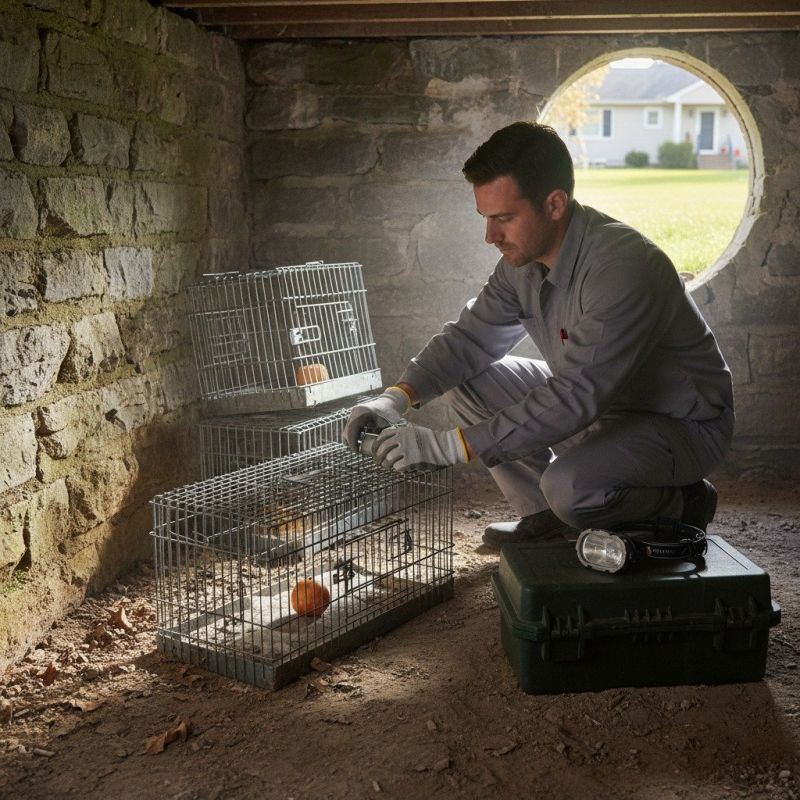
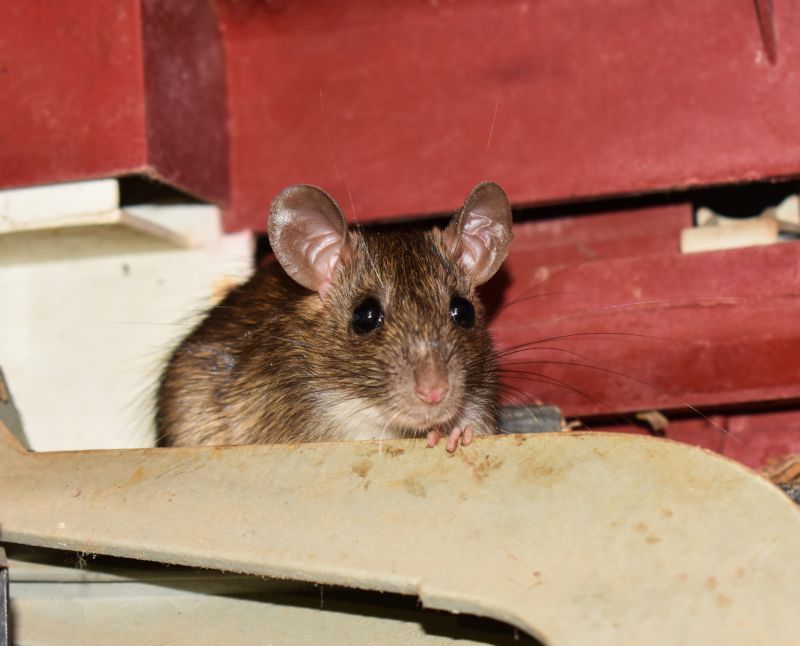
When people search for signs your commercial property has a small animal issue, they are usually trying to identify early indicators of unwanted creatures taking up residence or causing damage. Commercial properties, including offices, retail stores, warehouses, and industrial facilities, can become attractive habitats for small animals such as rodents, squirrels, or bats. Recognizing the signs early can help property owners prevent more serious problems, like structural damage or health hazards. This search often stems from concerns about maintaining a clean, safe environment for employees, customers, or tenants, and avoiding disruptions caused by infestations.
The problems associated with small animal issues on commercial properties can vary widely. Common concerns include damage to wiring, insulation, or stored goods, which can lead to costly repairs or safety hazards. Additionally, small animals can carry diseases that pose health risks to building occupants. Many property owners also consider long-term plans that involve pest prevention or exclusion strategies to keep their premises secure and compliant with health standards. Identifying signs of small animal activity is an important step in these plans, as it allows for targeted removal and prevention efforts that minimize ongoing problems.
Properties that typically come up in discussions about small animal issues are often larger structures with ample hiding spots and access points. Warehouses and manufacturing facilities, for example, may have expansive attics, crawl spaces, or storage areas that attract rodents or bats. Commercial office buildings and retail centers with exterior landscaping, trees, or nearby wooded areas can also be vulnerable to small animal intrusion. Even multi-unit residential complexes might experience issues if entry points are not properly sealed. Recognizing the specific characteristics of these properties can help owners and managers understand where to look for signs of small animal activity and how local service providers can assist in addressing these issues.
Understanding the signs that indicate a small animal problem is crucial for property owners and managers. Common indicators include unusual noises in walls or ceilings, droppings near entry points or in storage areas, gnaw marks on wiring or packaging, and sightings of animals or their nests. Sometimes, property managers notice a persistent smell or see damage to insulation and stored goods. When these signs are observed, it’s important to work with local pros who specialize in small animal removal. These experts can accurately assess the situation, safely remove the animals, and implement exclusion measures to prevent future issues, helping maintain a safe and functional commercial environment.
Attic Insulation Installation - professionals in attic work are skilled at identifying entry points and sealing gaps that small animals use to access commercial buildings.
Building Inspection Services - inspectors who assess structural integrity can recognize signs of small animal damage and recommend targeted removal strategies.
Pest Control Consulting - experts in pest management can evaluate for small animal presence and develop integrated plans to eliminate infestations.
Roof Repair and Maintenance - contractors experienced in roofing can detect and repair damage caused by small animals nesting or chewing through roofing materials.
Wildlife Exclusion Services - specialists in exclusion techniques focus on sealing entry points to prevent small animals from re-entering commercial properties.
Damage Restoration Services - providers skilled in restoring property after animal-related damage can address structural issues caused by small animals.
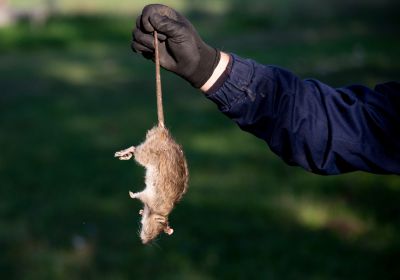
When comparing service providers for small animal removal on a commercial property, it’s important to consider their experience with similar projects. Service providers who have handled small animal issues in commercial settings are more likely to understand the unique challenges involved, such as access points, building structures, and the types of animals commonly encountered. Asking about their background with properties of similar size and use can help ensure they have the practical knowledge needed to address signs your commercial property has a small animal issue effectively and efficiently.
Clear written expectations are essential when selecting a contractor for small animal removal. Reputable service providers should be able to outline the scope of work, methods used, and any follow-up measures in a straightforward manner. This transparency helps prevent misunderstandings and ensures that all parties are aligned on what the project entails. When evaluating options, it’s beneficial to review any written estimates or service descriptions to confirm they address the specific signs your commercial property has a small animal issue, such as droppings, damage, or noise.
Good communication is a key factor in choosing the right local contractor for small animal removal. Service providers who are responsive and willing to answer questions demonstrate professionalism and reliability. They should be able to provide references or examples of previous work that showcase their ability to handle similar situations. Clear communication also involves explaining the process, potential concerns, and any recommendations for preventing future issues, which helps property owners make informed decisions and feel confident in the service provider’s approach to addressing signs your commercial property has a small animal issue.
Property owners often search for signs your commercial property has a small animal issue when they are planning practical projects around their homes and businesses. Local pros provide Small Animal Removal services for everyday jobs and straightforward project options.
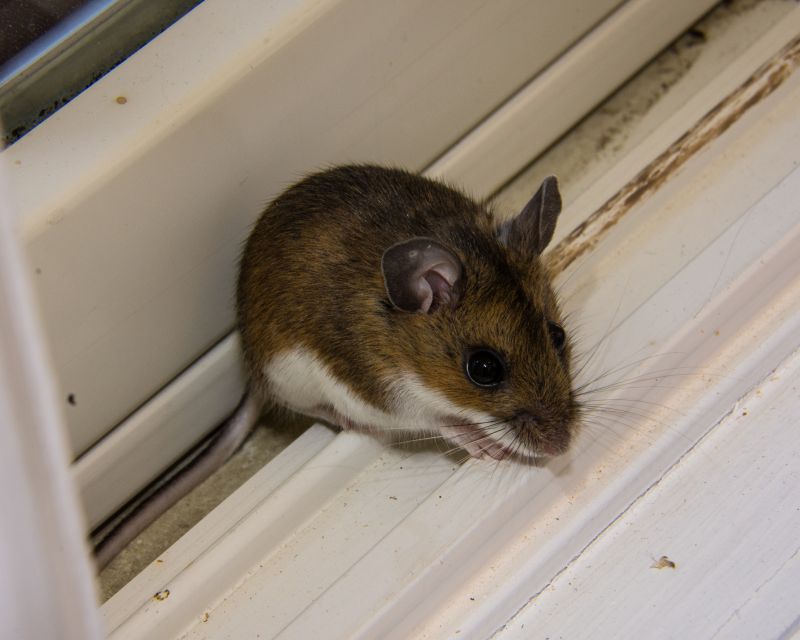
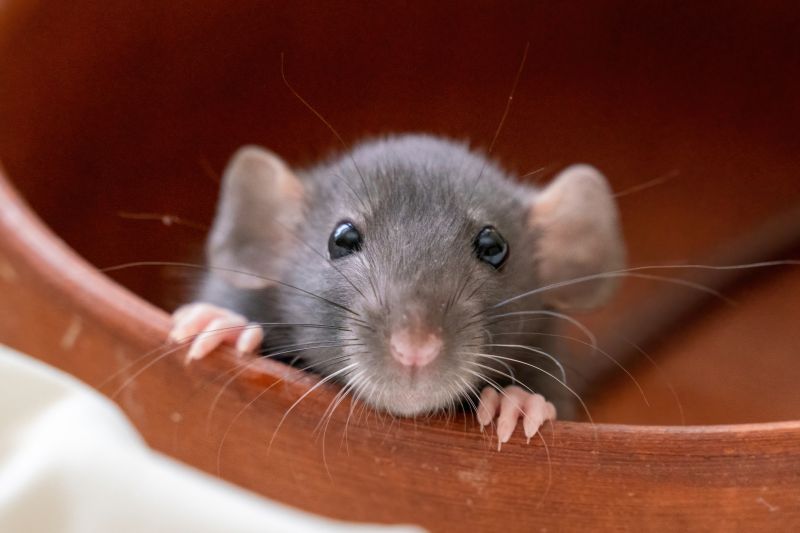
In many commercial properties, small animal issues can become noticeable through common signs such as scratching noises in walls or ceilings, unusual odors, or the sighting of droppings in storage areas or behind equipment. Property owners often find themselves inspecting for tiny holes or gnaw marks along pipes, vents, or entry points, which can indicate the presence of rodents or other small animals. Recognizing these early warning signs is important, as they can help prevent more extensive damage or health concerns, prompting property managers to seek the expertise of local contractors who specialize in small animal removal.
Other indicators that a commercial space might be dealing with a small animal problem include frequent sightings of animals near loading docks, crawl spaces, or utility areas, especially during evening hours. If property owners notice increased activity around vents or notice chewed wiring or insulation, it can suggest an active infestation. When these signs appear, connecting with local service providers experienced in small animal removal can be an effective step toward resolving the issue and protecting the property’s integrity.
What are common signs that small animals have entered a commercial property? Unusual noises, such as scratching or scurrying sounds, along with droppings, gnawed materials, or damage to insulation and wiring, often indicate small animal activity. These signs suggest a potential infestation that local service providers can address.
How can I tell if small animals are nesting inside my building? Visible nesting materials like shredded paper, fabric, or insulation, along with an increase in animal sightings or odors, can point to nesting activity. Professional removal services can confirm and safely handle nesting sites.
What odors might indicate a small animal problem in a commercial space? Strong, persistent smells such as ammonia or musty odors may signal the presence of droppings or dead animals, prompting the need for expert removal and cleanup services.
Are there specific areas where small animals tend to hide in commercial properties? Small animals often hide in wall voids, attics, crawl spaces, or behind stored materials. Noticing these areas can help identify where local contractors may focus their inspection and removal efforts.
What physical damage suggests a small animal issue on a commercial property? Chewed wiring, gnawed wood, or damaged insulation are common signs of small animal activity, indicating the need for professional removal to prevent further damage and health risks.
Unusual Noises - Hearing scratching or scurrying sounds inside walls or ceilings can indicate small animal activity, prompting a professional assessment.
Droppings and Nests - Finding small droppings or nesting materials around the property can be signs your commercial property has a small animal issue that requires removal services.
Damage to Structures - Noticing chewed wires, insulation, or wood can be a practical indicator for local contractors to evaluate and address potential infestations.
Odor Detection - Detecting persistent musty or foul odors may signal hidden small animals, encouraging property owners to seek professional removal solutions.
If you are thinking about signs your commercial property has a small animal issue for a property, this guide is meant to help you understand this topic, the typical project types, and how different options might fit your plans.
When you are ready, you can use the quote form on this page to share a few details about your project. From there, local pros can review the basics and follow up with options that match what you have in mind.