Compare Local Contractors for Reliable Wildlife Removal Services
Compare local contractors for wildlife removal to clarify scope, verify experience, and set clear expectations, ensuring a reliable and effective property solution.
Wildlife removal contractors typically handle a range of services aimed at addressing unwanted animals on residential and commercial properties. This work often includes identifying the types of wildlife present, assessing how animals are gaining access to the property, and implementing humane removal methods. Additionally, contractors may provide exclusion services to prevent future entry, such as sealing entry points and repairing damage caused by wildlife. Properly defining the scope of these services ensures that property owners understand what is included, whether it's just removal or also damage repair and prevention measures, helping to establish clear expectations from the outset.
Understanding why defining the scope of work matters is essential for property owners seeking wildlife removal services. A well-defined scope helps prevent misunderstandings and ensures that both parties agree on the tasks involved. For example, some contractors may focus solely on trapping and removal, while others might offer comprehensive services that include cleanup, repairs, and wildlife-proofing. Clarifying these details in writing can help avoid surprises and ensure that the project addresses all necessary aspects of wildlife control. It also provides a basis for comparing different service providers based on the specific services they offer and their approach to handling wildlife issues.
When comparing local contractors for wildlife removal, property owners should consider several practical factors. Verifying the experience and reputation of service providers can help identify those with a proven track record in wildlife control. It’s also important to review how each contractor defines their scope of work and what services are included, ensuring consistency across options. Additionally, seeking clarity on how contractors handle communication and documentation can assist in making informed decisions. By focusing on these practical aspects, property owners can better evaluate which local contractors are equipped to meet their specific wildlife removal needs and can deliver services aligned with their expectations.
Compare local contractors by outlining your priorities, verifying experience, and setting clear expectations in writing.
- Compare Contractor Experience - Review the backgrounds of local service providers to ensure they have relevant wildlife removal expertise.
- Define Scope Clearly - Establish and document the specific wildlife issues to be addressed to set accurate expectations.
- Verify Service Details - Confirm the methods and procedures contractors plan to use for wildlife removal.
- Request Written Agreements - Obtain detailed, written descriptions of the work scope and procedures before work begins.
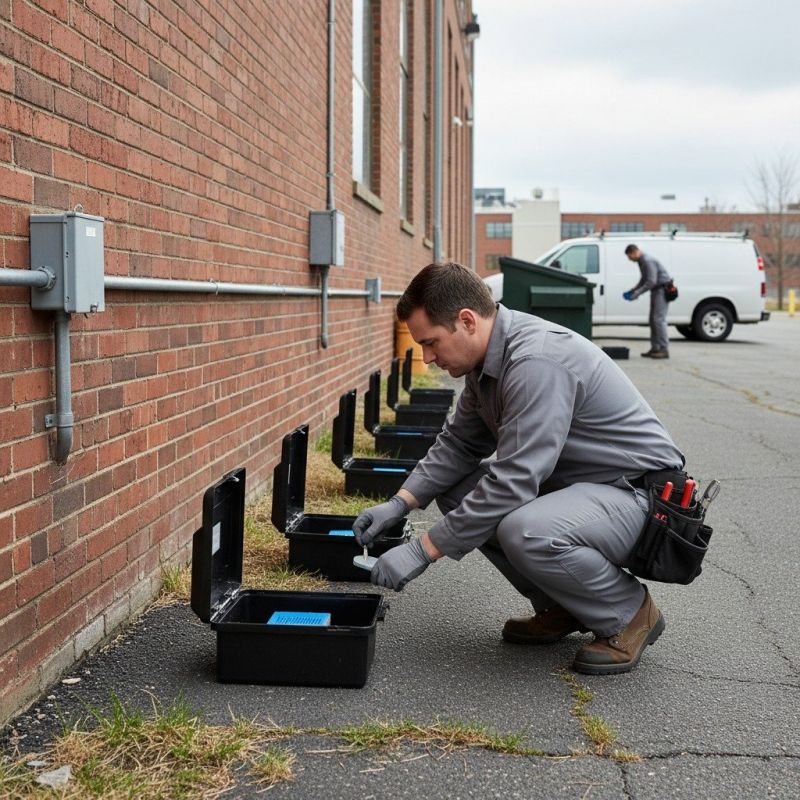
Clearly describe your wildlife removal project to effectively compare local contractors, verify their experience, and set expectations in writing.
- Verify the experience and expertise of local contractors in wildlife removal. - Ensure service providers have a clear understanding of the specific wildlife issues involved.
- Compare scope of work and services offered by different wildlife removal specialists. - Clarify what tasks are included, such as exclusion, removal, and cleanup.
- Check for written estimates that outline the scope, methods, and responsibilities of the contractor. - Look for detailed documentation to set clear expectations.
- Assess the methods used by local contractors to ensure humane and effective wildlife removal practices. - Confirm that removal techniques align with best practices for safety and efficacy.
- Review the contractor’s process for sealing entry points and preventing future wildlife access. - Make sure exclusion work is part of the scope to prevent recurrence.
- Ensure all work details, responsibilities, and warranties are documented in a written agreement. - Protect the project by having a clear, comprehensive contract.
Compare local contractors, clarify scope, verify experience, and set clear expectations in writing.

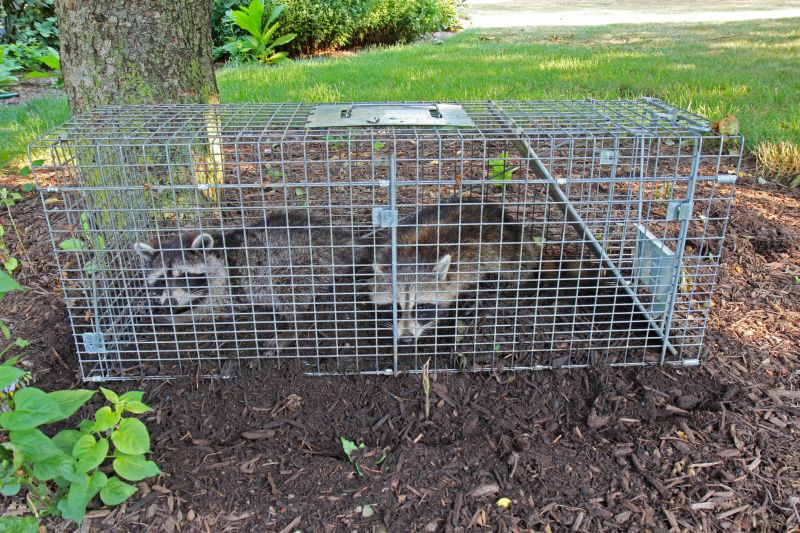
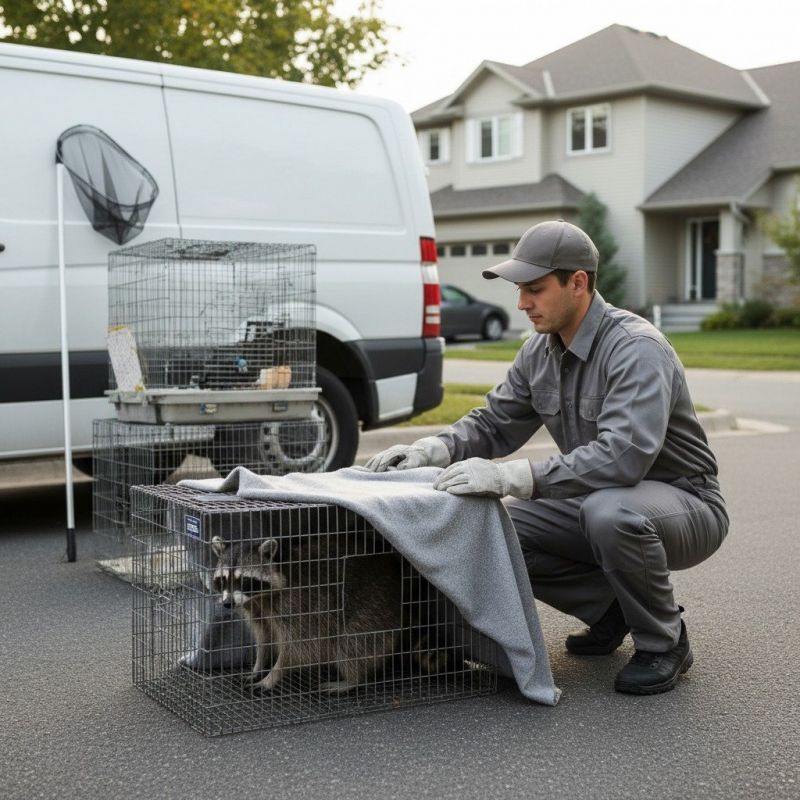

Use this scope builder to compare wildlife removal contractors, clarify work details, verify experience, and set clear expectations in writing.
- Scope Definition - Clearly outline the specific wildlife species and areas to be addressed in the removal process.
- Experience Verification - Confirm that the service providers have relevant experience handling wildlife removal in similar settings.
- Methodology Description - Specify the techniques and equipment that will be used to ensure effective and humane wildlife exclusion.
- Exclusion and Prevention Measures - Define the scope of repairs or modifications needed to prevent future wildlife entry.
- Written Agreement - Ensure all scope details, responsibilities, and expectations are documented in a formal agreement.
When comparing wildlife removal contractors, it’s important to consider their experience with similar projects. Contractors who have handled a variety of wildlife issues-such as raccoon infestations, bat colonies, or squirrel intrusions-are more likely to understand the nuances of different situations. Inquiring about their background with specific types of wildlife and the complexity of past jobs can help gauge their familiarity with the challenges involved. This insight can assist in determining whether a contractor’s expertise aligns with the specific needs of a property.
A clear, written scope of work is essential when evaluating wildlife removal service providers. A reputable contractor should be able to provide a detailed description of the services they will perform, including inspection procedures, removal methods, exclusion techniques, and cleanup processes. Having this information in writing helps set proper expectations and ensures that all parties are aligned on what the project entails. It also provides a reference point for any questions or clarifications that may arise during the course of the work.
Verification basics are key to assessing the credibility of local contractors. Confirming their experience with similar wildlife issues, understanding their process for inspection and removal, and requesting references or case examples can provide valuable insight. While licensing and certification are not always required, verifying their track record and asking for proof of completed projects can help establish trust. Gathering this background information allows homeowners to make informed comparisons between different service providers.
When evaluating options, it’s helpful to focus on how each contractor approaches the scope of work and their ability to communicate clearly. Consider how well they explain their methods, whether they provide comprehensive written descriptions, and if they are transparent about their procedures. Avoid relying solely on verbal assurances-look for detailed, written documentation that outlines the services to be performed. This approach ensures that expectations are well-defined and that the selected contractor’s approach aligns with the specific wildlife removal needs of the property.
Ask contractors to provide written descriptions of the scope of work to ensure clear expectations and consistent service.
- Scope of Services - What specific wildlife removal tasks and exclusions are included in the contractor’s scope?
- Experience and Expertise - How much experience does the contractor have with wildlife species common to the area?
- Methods and Techniques - What removal and exclusion methods do the service providers typically use?
- Written Scope and Expectations - Can the scope of work and expectations be documented clearly in writing before starting?
- Comparison of Contractors - How do the service providers differ in their approach to defining and communicating project scope?
What should be included in a wildlife removal contractor's scope of work? A clear description of the services provided, such as inspection, removal, exclusion, and cleanup, helps ensure all parties understand the responsibilities involved.
How can I verify a contractor's experience with wildlife removal? Ask for details about their previous projects, types of wildlife handled, and any relevant experience to assess their familiarity with the specific removal needs.
Why is it important to get a written agreement with a wildlife removal service provider? A written agreement helps define the scope of work, expectations, and responsibilities, reducing misunderstandings during the project.
What questions should I ask when comparing wildlife removal contractors? Inquire about their methods, experience, cleanup procedures, and how they handle unforeseen issues to make an informed comparison.
How can I ensure a wildlife removal contractor is qualified to handle my situation? Review their experience with similar cases, request references, and verify their knowledge of local wildlife behaviors and removal techniques.
What factors are important when choosing a wildlife removal service provider? Consider their experience, clarity of scope, professionalism, and the quality of their written agreement to select a reliable contractor.
This page has provided an overview of how to find and evaluate contractors for wildlife removal services. Visitors have learned the importance of clearly defining the scope of work, verifying the experience of service providers, and setting expectations in writing to ensure a smooth process. Comparing options among nearby contractors can help identify the best fit for specific needs.
To make an informed choice, consider using the quote form to connect with local service providers who can handle wildlife removal tasks. This approach allows for straightforward comparison of available options, helping to find the right contractor for the job.